

In today’s fast-paced healthcare landscape, leadership matters more than ever. Yet, traditional leadership development often overlooks a critical factor: emotional culture.
As a change management consultant specializing in healthcare transformation, I’ve witnessed firsthand how self-reflection tools can revolutionize the way leaders lead—whether they’re seasoned executives or emerging talents.
These tools don’t just build emotional intelligence; they transform leadership by helping leaders understand the emotions driving their success (and failure).
In a sector where emotional resilience, trust, and agility are crucial, these leadership reflection tools provide game-changing insights that redefine leadership development in healthcare.
Healthcare is inherently emotional.
From life-changing patient experiences to high-stakes decision-making, emotions influence everything.
Yet, most healthcare organizations focus on processes and outcomes, neglecting the emotional landscape that shapes team dynamics, patient care, and organizational culture.
According to research, emotional culture impacts employee engagement, burnout, collaboration, and patient satisfaction. In other words, how leaders and teams feel directly affects patient outcomes.
This is why leadership development in healthcare must address not only what leaders do but how they make people feel.
This is where self-reflection tools come in. They help leaders understand their own emotional drivers and learn how to intentionally shape the emotional culture of their teams.
The result? More resilient, empathetic, and high-performing leaders who transform healthcare organizations from the inside out.
Take Bernard, a Purchasing Manager at a private hospital, tasked with the difficult challenge of renegotiating vendor contracts to reduce costs while maintaining long-term partnerships.
Using a the ECD Leadership Reflection tool focused on stakeholder engagement, we helped Bernard identify the emotions he needed to cultivate in his stakeholders—trust, respect, and collaboration.
We designed intentional rituals that reinforced these feelings:
These rituals did more than improve vendor relationships. They helped Bernard become a strategic leader who balanced cost-saving with emotional connection, ultimately strengthening loyalty and collaboration even during tough negotiations.

Another powerful example is Ben, the Head of IT Services at a multinational manufacturing company undergoing a SAFe (Agile at Scale) transformation.
Ben is highly analytical, strategic, and data-driven—an incredible asset, but also a barrier when it comes to emotional intelligence and agile leadership.

Using a self-reflection tool designed to enhance self-awareness and emotional agility, we helped Ben explore:
This self-discovery process was eye-opening. Ben realized that his intellectualization of emotions was preventing him from connecting authentically with his team.
By identifying his emotional drivers and blockers, he was able to balance logic with strategic empathy, leading his team with authenticity and emotional agility.
This emotional transformation didn’t just improve his leadership; it accelerated his agile transformation agenda, building a high-trust, high-collaboration culture essential for Agile at Scale success.
These leadership reflection tools are powerful because they enable leaders to:
These tools go beyond traditional leadership development by teaching leaders to actively shape the emotional culture of their teams.
This isn’t about emotional manipulation; it’s about authenticity, strategic empathy, and human-centered leadership.
Our CEO, Silvina Layani, is a certified practitioner at Riders & Elephants. She can help your organization implement strategic emotional culture initiatives, enhance leadership agility, and foster high-performing teams. Reach out today to learn more.
Whether you’re a new leader navigating complex dynamics or an experienced executive leading strategic transformation, these tools will help you connect more authentically, lead more empathetically, and inspire more effectively.
Leadership matters. Emotional culture matters more.
It’s time to transform healthcare from the inside out—one emotion at a time.
Ready to lead with emotional intelligence? Download our free guide on Building an Agile and Resilient Organization to learn how emotional intelligence and self-reflection can transform your leadership approach.


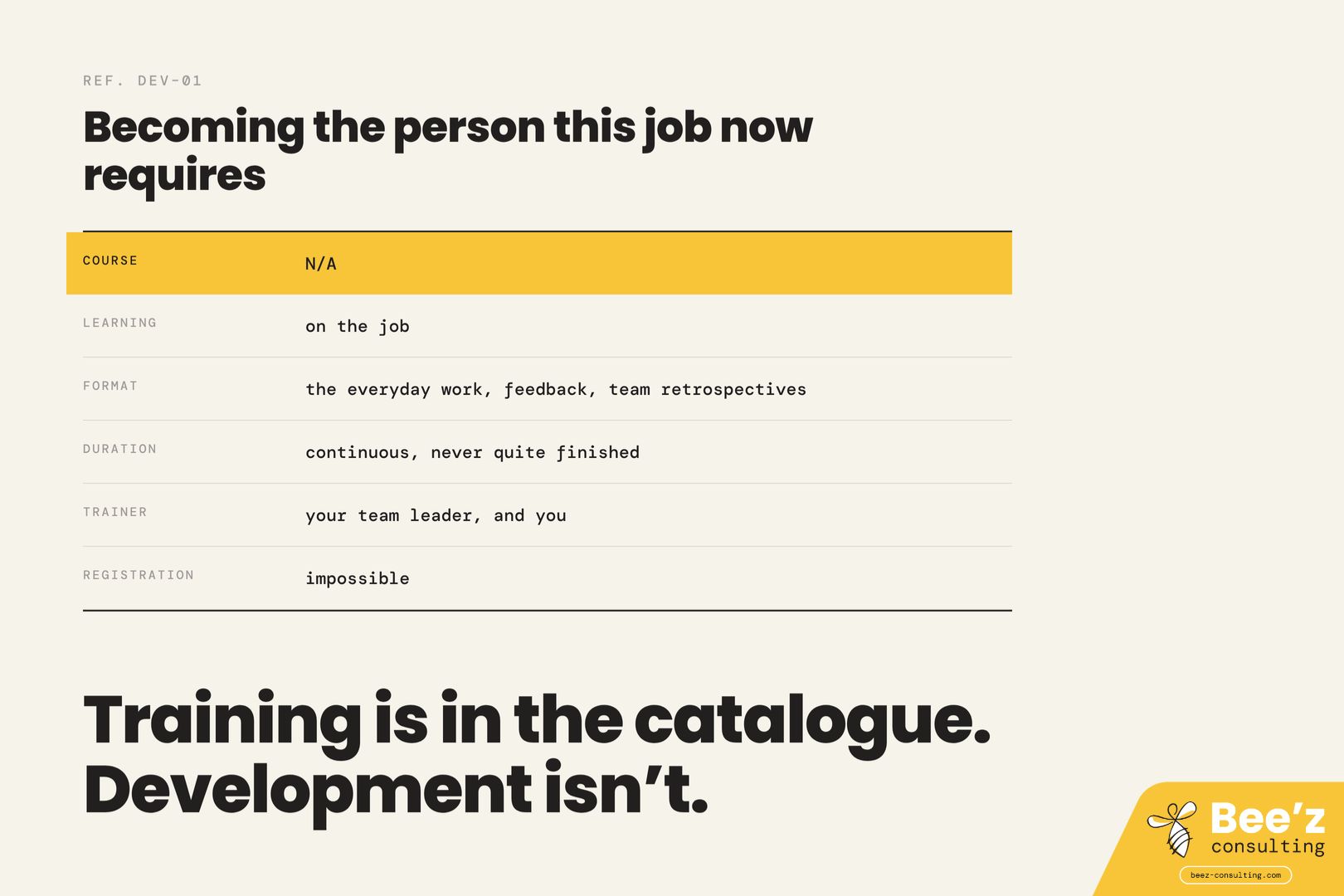
Development isn't decided once a year. What a development conversation contains, why it so rarely happens, and what actually builds capability at work.
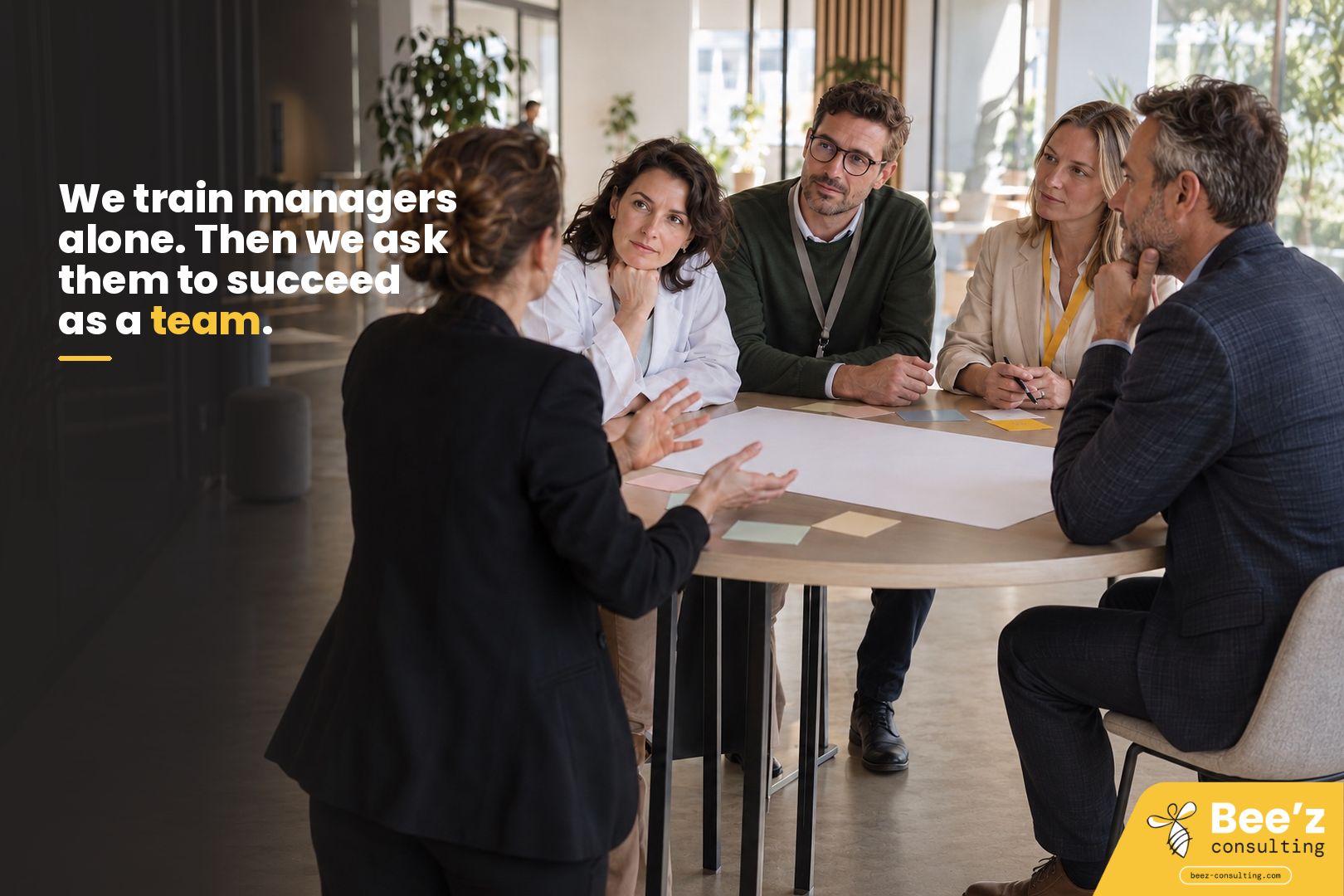
We train managers alone, then ask them to succeed as a team. What clinical simulation teaches management training, in every sector.
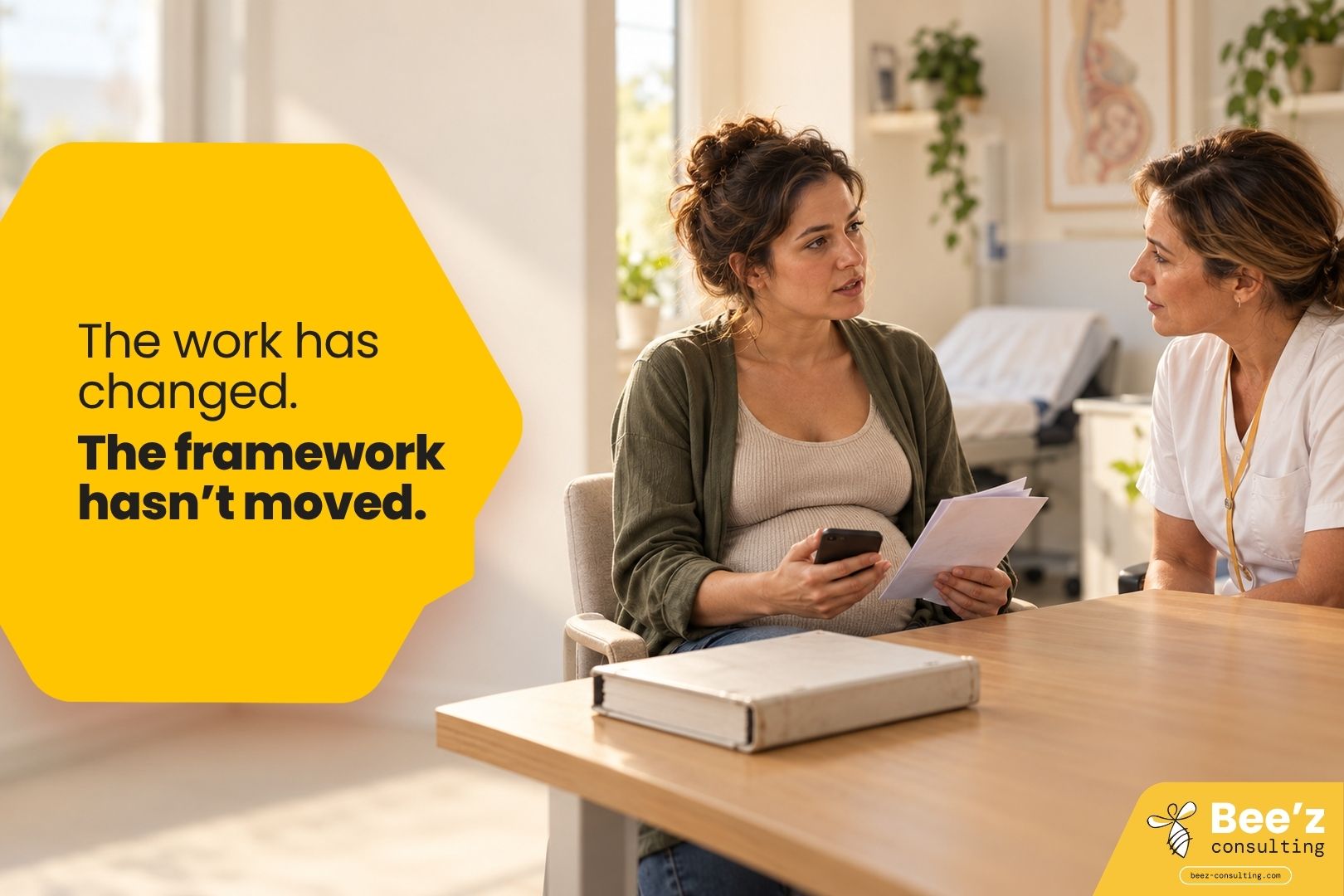
When development, recruitment and performance stop building the capabilities you need, your competency framework may be the cause. Three shifts, one test.

