

Here’s the reality most organizations don’t want to face:
85% of employees worldwide are not engaged — or worse, actively disengaged — at work.
(Gallup, State of the Global Workplace)
The cost?
☁️ Lost productivity
📉 Missed revenue
🔁 High turnover
😩 Burnout and friction
But here’s the upside:
Organizations with high engagement levels see:
The question is no longer “Should we invest in engagement?”
It’s “What are we waiting for?”
In today’s volatile work environment, managers are no longer task distributors.
They’re culture builders. Trust enablers. Performance catalysts.
And depending on how they lead, they can either amplify or derail your organizational goals.
That’s why leadership development isn’t an HR perk. It’s a business-critical investment.
According to Gartner, a specific type of manager — the Connector Leader — is redefining how engagement and performance scale across organizations.
Connector Leaders are not just good communicators.
They actively foster three types of connections:
This isn’t just better leadership.
It’s transformational leadership.
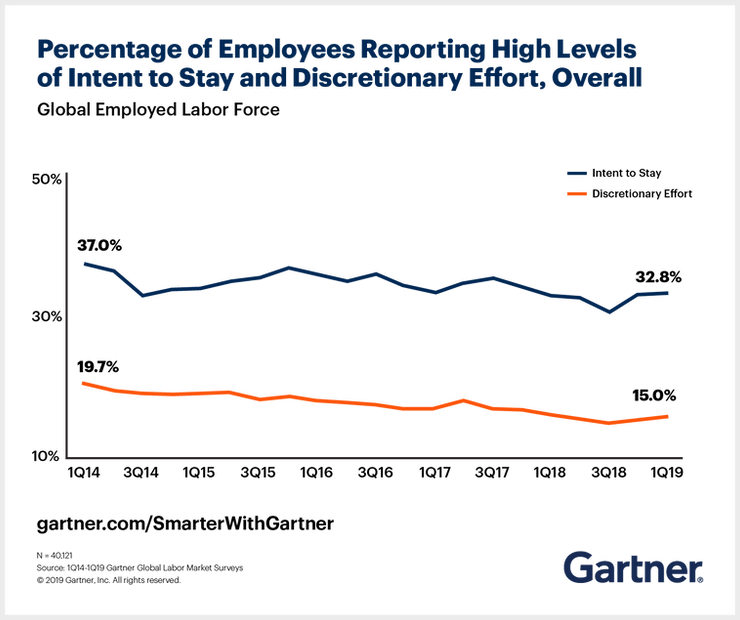
Ask yourself:
Because in the end, your strategy is only as strong as the people executing it.
And those people are only as strong as the leaders guiding them.
If engagement, agility, and retention are on your roadmap, but you’re unsure where to start, we’re here to help.
At Bee’z Consulting, we work with organizations ready to turn their managers into growth engines.
Our leadership development programs are:
We help you:
✅ Diagnose engagement gaps
✅ Develop connected leaders
✅ Measure what matters (and move the needle)
📞 Book your complimentary strategy session with Bee’z Consulting.
Let’s co-create a plan that elevates your leadership — and your business performance.
Bee’z Consulting – Bold Change. Powered by People.
.png)


Hospital M&A fails not at the top but in the middle layer. Here is what the governance vacuum looks like and what leaders who see it do differently.
Across Europe, care is moving out of hospitals. What will determine whether it works: the operating rules inside networks, and preparing the people who run them. 3 operational keys.

Healthcare handoffs break for three structural reasons. Ownership stops at the door. Authority never travels. The decision was never built to survive.

